EN


What Camping Equipment Is Essential for Overland Road Trips?
For an overland road trip, good camping equipment is not a collection of gadgets. It is a safe, accessible system. Your vehicle is both transport and basecamp, so the gear has to work while you are moving, when you arrive late, and when weather changes overnight. A practical first rule is this: choose camping equipment by the consequence of not having it, not by how impressive it looks in a packing photo.
After evaluating roof-top camping setups across different terrain, I would start with the non-negotiables: vehicle readiness, shelter and sleep, water and food, power and light, navigation and recovery, and a safety-and-waste kit. The list changes with route, climate, passenger count, and how often you move camp. Still, this framework keeps essential camping equipment from getting buried under accessories.
1. Make the vehicle and roof system ready first
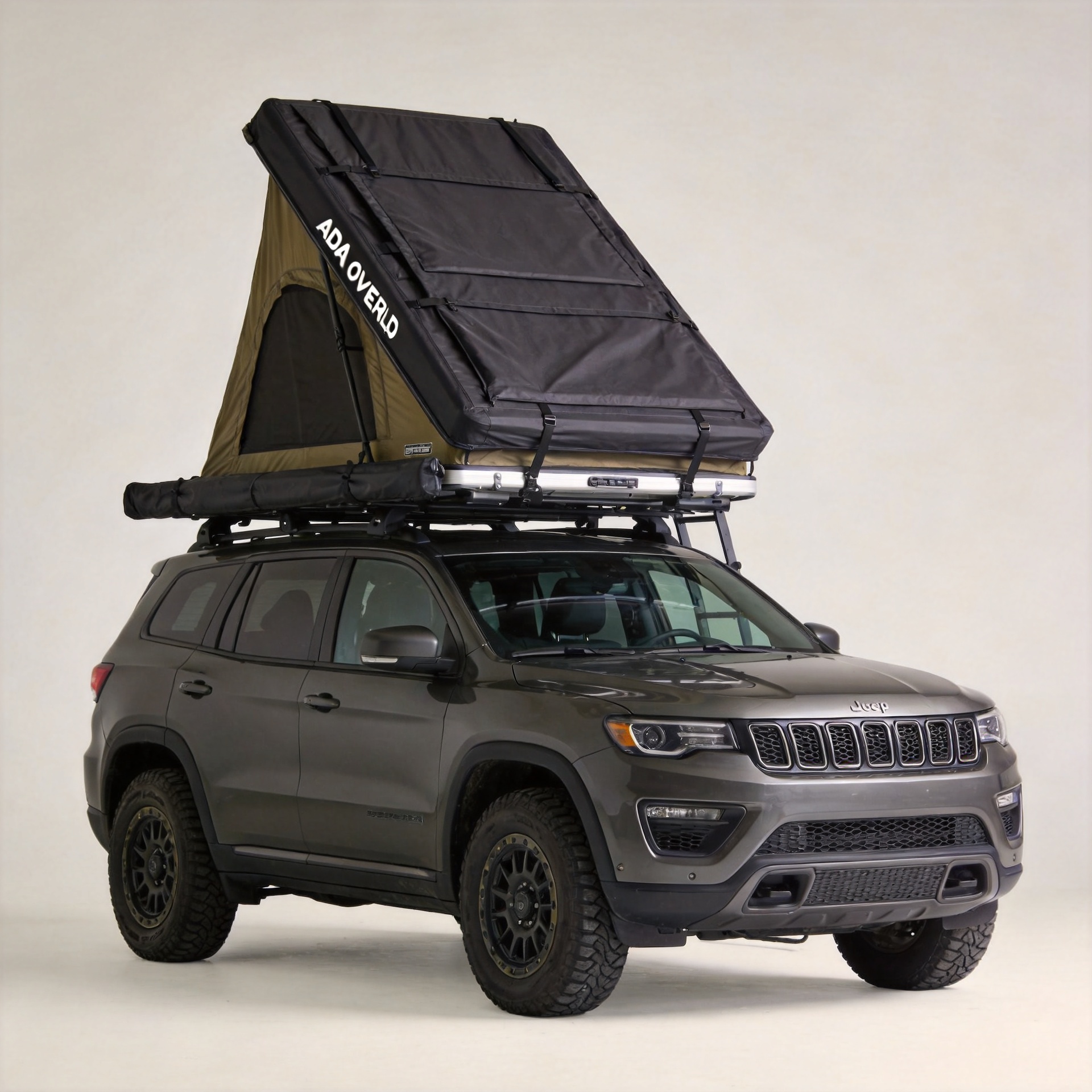
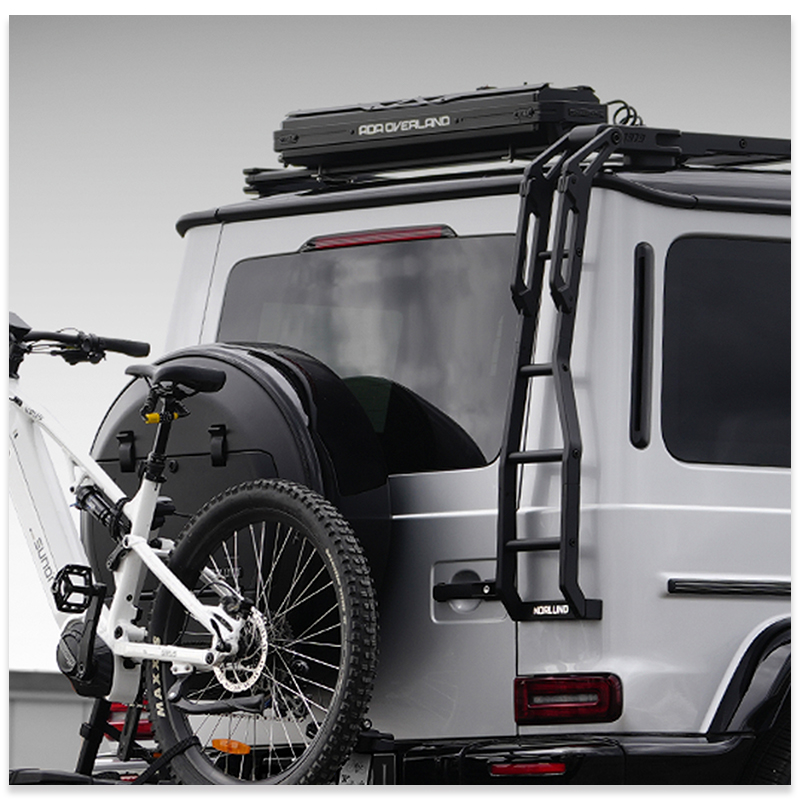
For overland travel, the most important camping equipment decision may happen before any camp gear goes into a box: confirm what your vehicle, rack, and mounting hardware can safely carry. A surprisingly common mistake is assuming any crossbar system will support a roof-top setup without checking the vehicle-specific dynamic load rating. Dynamic rating applies while driving; it is not interchangeable with the stationary capacity of a supported sleep system.
Read the vehicle and rack documentation, check mounting hardware before departure, and distribute heavy cargo low and close to the vehicle’s center. Recovery boards, a jack base, rated recovery points, a tire-pressure gauge, a compressor, and a basic tool kit belong in the broader camping equipment plan when routes include loose surfaces or remote tracks. They are not substitutes for training or sensible route choices, but they can turn a manageable delay into a short one.
2. Choose shelter around your travel rhythm
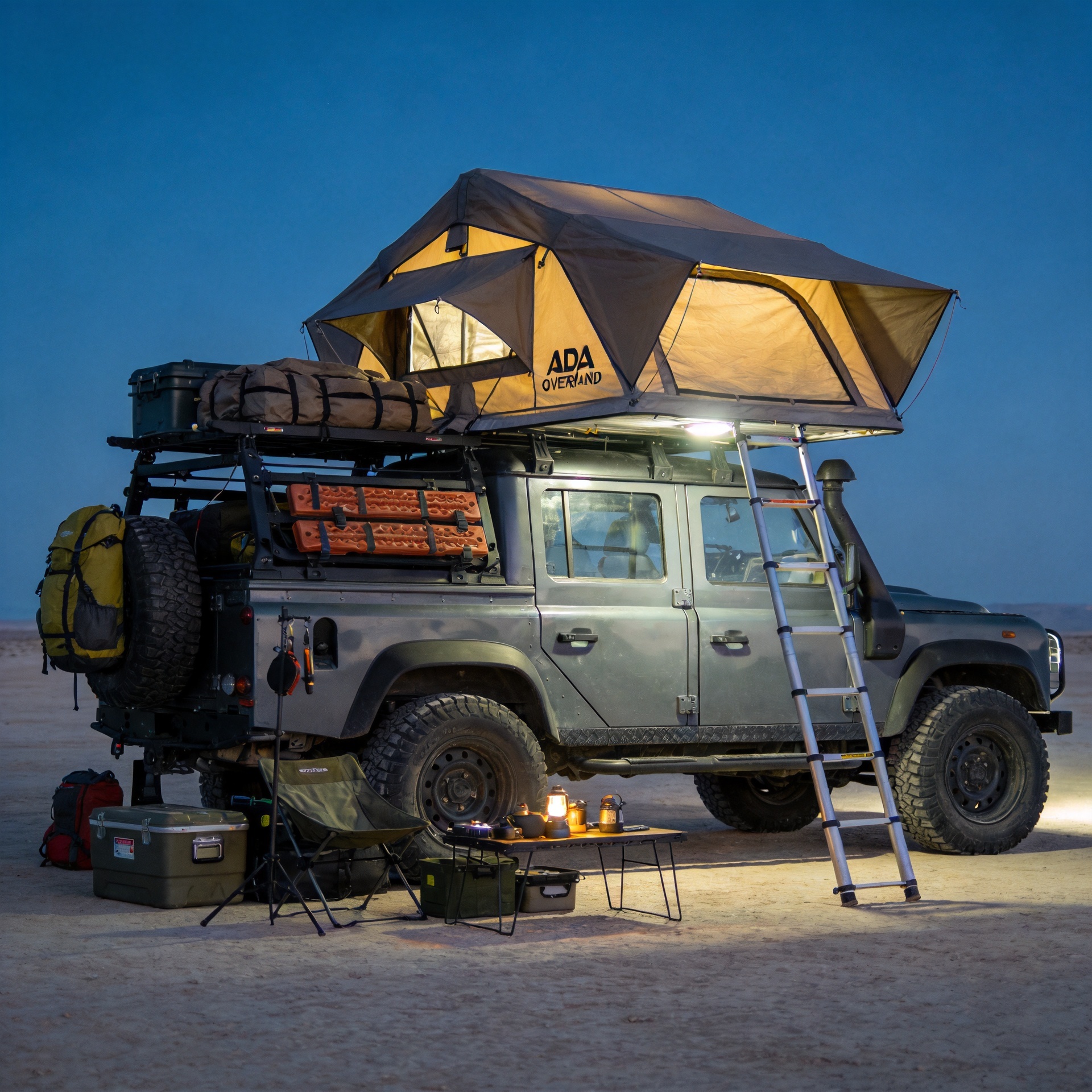
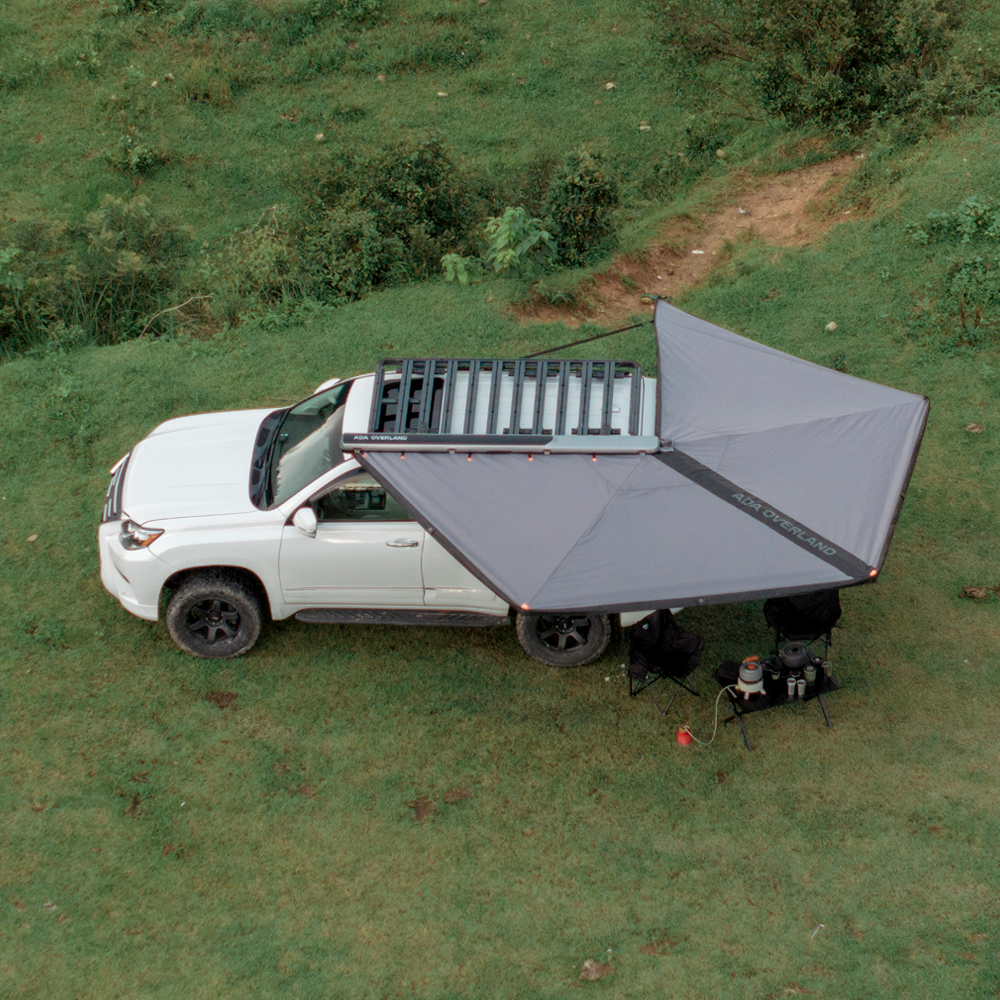
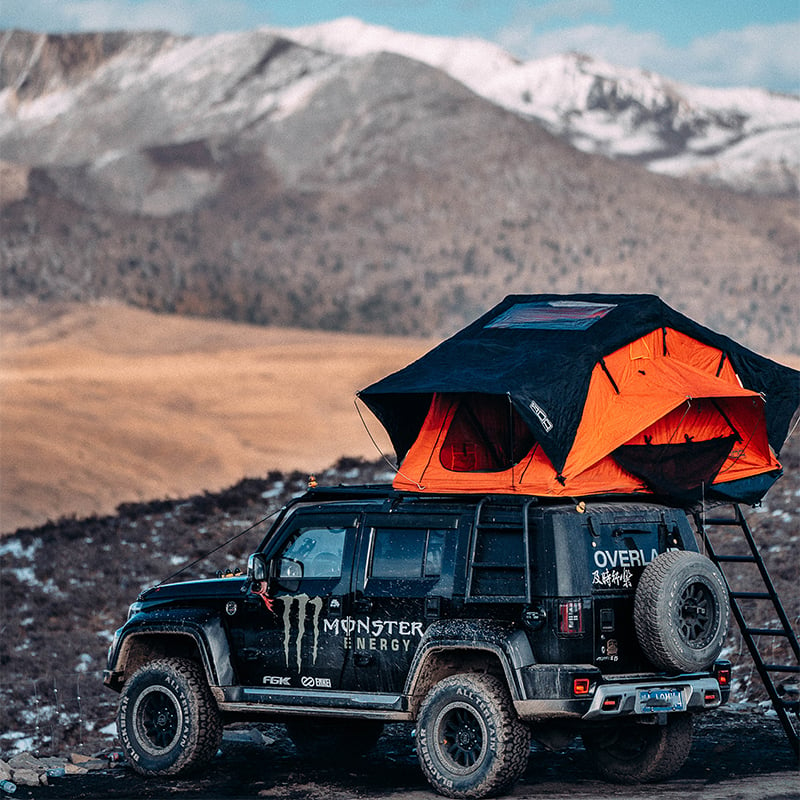
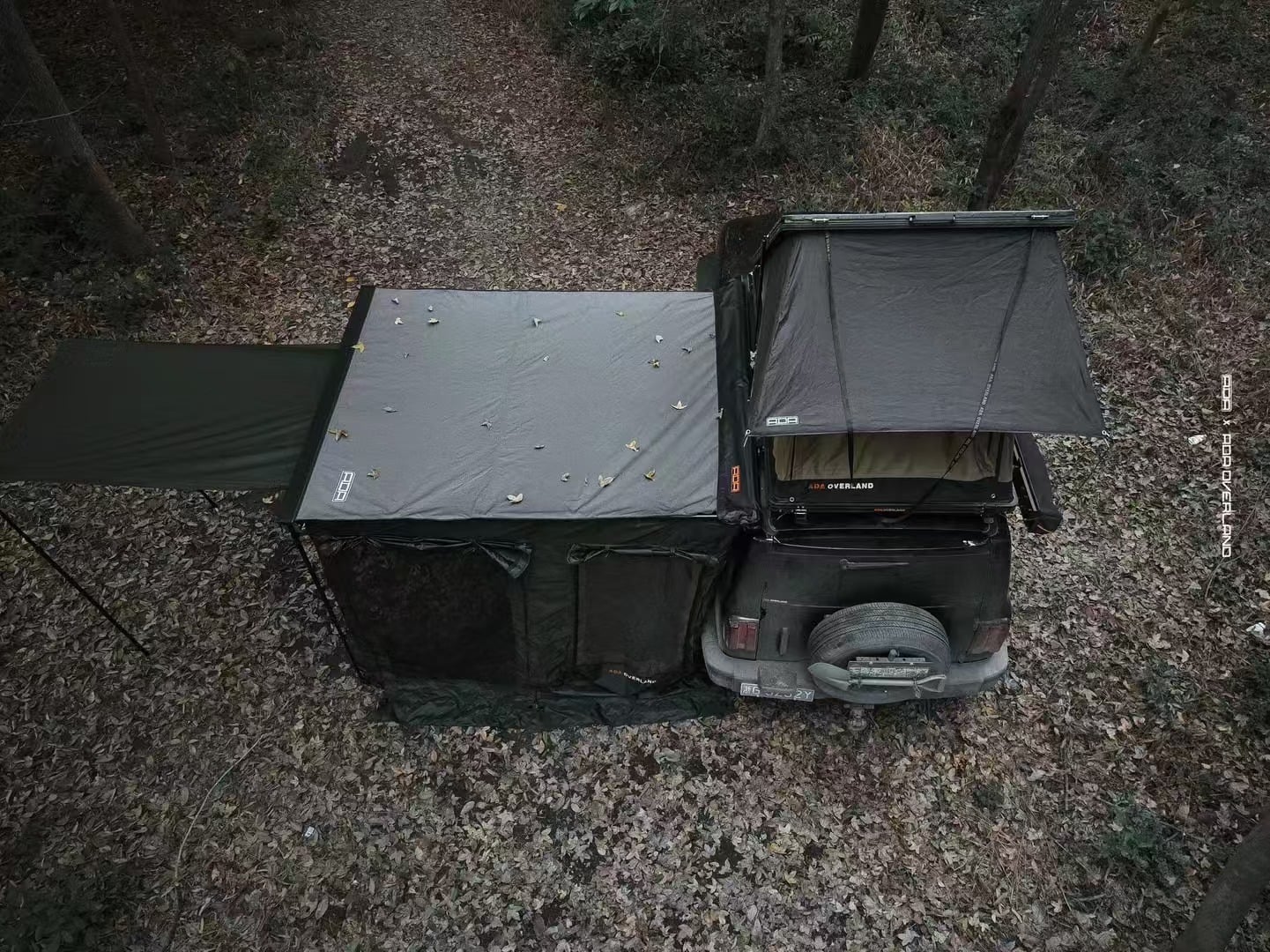
Shelter is central camping equipment, but the right style depends on how you travel. A ground tent may suit a lightweight trip, while a roof-top tent can keep bedding organized and off wet ground. Choosing between softshell and hardshell is not a quality question; it is a deployment-frequency and vehicle-fit question. If you move every day and often arrive near dusk, fast setup may deserve extra weight. If you need lower cost, extra sleeping room, or flexible off-vehicle camping, a ground-tent system may make more sense.
Whichever option you use, include a footprint or groundsheet where appropriate, stakes suited to the expected soil, repair tape, spare cord, and a rain-management plan. Weatherproof fabric matters, though seam condition, ventilation, and campsite exposure often matter just as much. In humid or cold weather, open the intended vents rather than sealing every opening; managing condensation is part of using camping equipment well.
3. Build a sleep kit that works after a long driving day
Reliable sleep is essential camping equipment, not a luxury. Match a sleeping bag or quilt to expected nighttime temperatures, then add an insulated sleeping pad or mattress that keeps you off a cold surface. A pillow, clean base layer, and compact blanket can make a bigger difference than another decorative camp accessory. For multi-night road trips, store bedding in a dry, dedicated bag so it does not get mixed with muddy recovery gear or food.
Do not judge the sleep system only in a showroom. On flat, solid ground, access ladders and pads work as expected. On sloped gravel or soft sand, ladder angle, leveling, and the route to the tent become the friction points. Pack a small leveling solution if your campsite options are likely to be uneven, and practice setting up your camping equipment before the first dark arrival.
4. Prioritize water, food, and a dependable cook kit
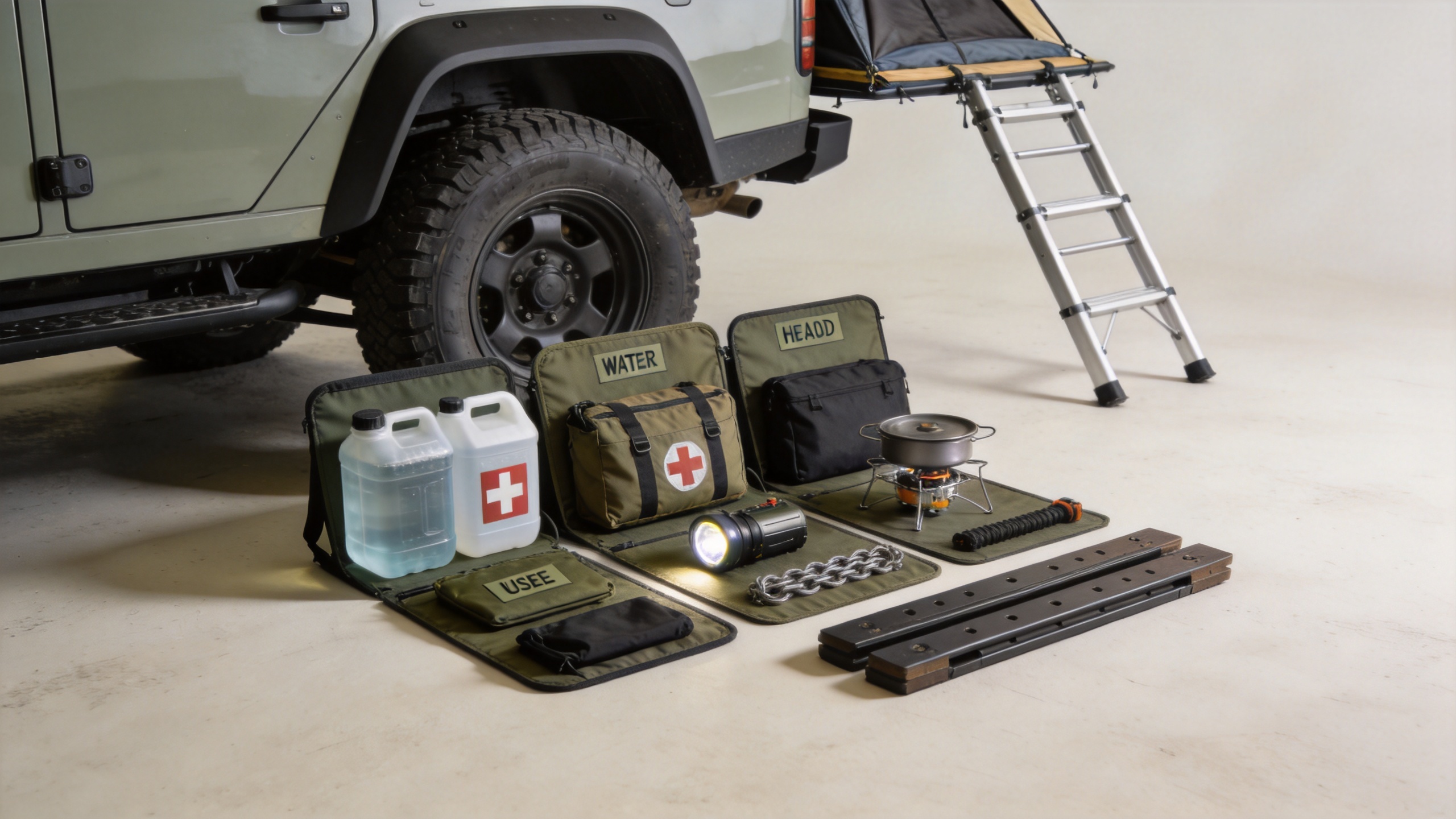
Water is the one category of camping equipment that deserves redundancy. Carry enough drinking water for the planned leg plus a reserve, use sturdy containers that are easy to refill, and bring a treatment method when your route has verified water sources. Keep a separate hand-washing supply if possible. A cooler or insulated food box, compact stove, fuel compatible with that stove, lighter or igniter, pot, mug, utensils, knife, and washable cleanup kit cover most meals.
Pack food and cooking camping equipment by meal rather than by random container. The first-night dinner, breakfast, and coffee kit should be reachable without unloading the vehicle. Check local fire restrictions before carrying firewood or planning a campfire; a stove is often the more predictable option.
5. Carry light, power, navigation, and communications together
For road-trip camping equipment, the evening system matters. Bring a headlamp for each traveler, a lantern or area light, spare batteries or a charged power bank, and charging cables that fit your devices. A headlamp leaves both hands free for setup, repairs, and cooking. If you use a portable power station, protect it from water, secure it for travel, and understand its real charging needs before leaving.
Navigation camping equipment should not rely on a single phone signal. Download offline maps, carry a paper map for the region, and use a vehicle charger. In remote areas, consider an appropriate satellite communicator or emergency beacon and learn its operating limits. Tell someone your route and check-in plan. That habit does more for a remote-trip plan than another add-on electronic.
6. Treat safety, hygiene, and waste storage as core gear
A first-aid kit, medications, sun protection, insect protection, emergency blanket, gloves, and fire extinguisher or other vehicle-appropriate fire response tool belong with essential camping equipment. Add a compact repair kit for common failures: tape, zip ties, spare fuses, hose clamps, and basic hand tools. Customize the kit for the vehicle and the route rather than assuming a generic box covers every need.
Also pack trash bags, a sealable waste container, soap, toilet supplies consistent with local rules, and a small wash basin. Leave No Trace guidance emphasizes planning ahead, camping on durable surfaces, disposing of waste properly, and minimizing campfire impacts. Those principles are not separate from camping equipment; they shape which containers, storage methods, and cooking options you bring.
7. Use a packing order instead of a longer checklist
The most effective camping equipment list has zones. Put recovery and roadside tools where they are reachable without opening every storage box. Keep water, first aid, headlamps, rain layers, and the first-night meal near the tailgate. Store shelter and sleep components together. Separate dirty, wet, and fuel-related items from bedding and food. Before each leg, check fuel, water, tire condition, weather, and the next planned resupply point.
ADA OVERLAND focuses on roof-top tents and outdoor gear for overlanding, but no tent or accessory removes the need to verify vehicle fitment and practice the setup. Start with the safety-critical basics, then add comfort items only after the essentials work as a system. That approach keeps camping equipment useful from the first campsite to the last mile home.
 Hot News